The brave new algorithm
Who has not been banned from Facebook for something by now? A few years ago, whoever got a ban counted as special: they were confused, they were ashamed,…
Read more
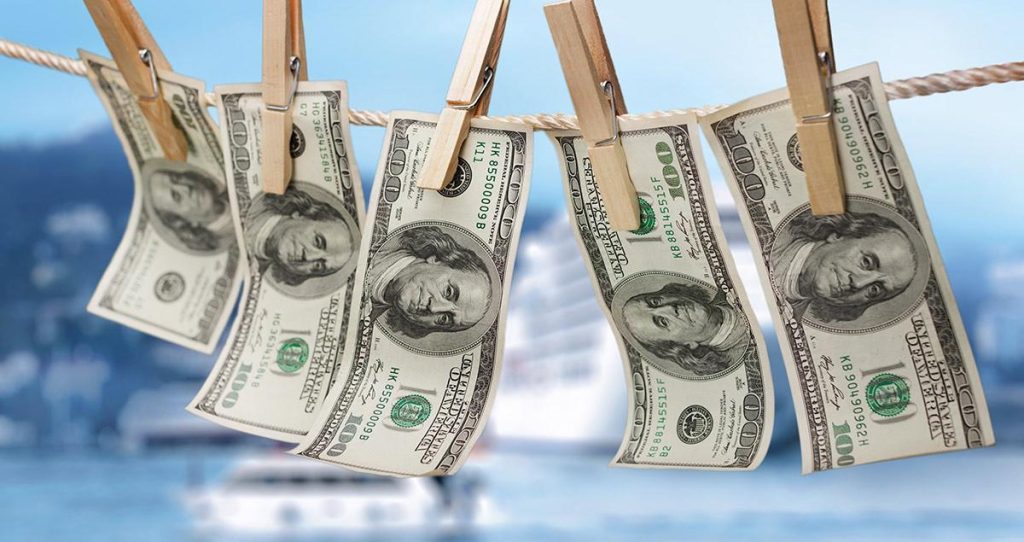
The Laundromat is a 2019 American film that can be found on Netflix. It was directed by Steven Soderbergh, and the leading roles are played by Meryl Streep, Gary Oldman and Antonio Banderas.
By its own admission the film is based on real secrets; by genre it is a drama, a crime story and a black comedy. It is hugely entertaining and just as instructive. This post is of course free of spoilers.
The film takes on a subject that can only be handled as a comedy, because with a more serious tone you would explode at the knowledge that such things exist. The makers did everything they could to make us laugh, or at least to draw a smile out of us, easing the stress that way.
The film opens with a boat accident in which people die. Under the insurance policy, someone should pay. In comes the shipping company. In comes the shipping company’s insurer. Then that insurer’s insurer. Then the reinsurer. And after a few steps the survivors are drowning not in water but in rubber-worded regulations open to a thousand interpretations, in papers, permits, withdrawn permits, internal and external investigations, and in responsibility being shifted and outsourced.
First secret: the meek are out of luck.
Responsibility in this system is impossible to trace. Ultimately the people who control everything and decide everything are responsible for nothing, because they are grand masters of the art of passing the buck.
The sources of large fortunes are sometimes visible (inventions, developments, for example), and sometimes the fog covers everything. Of course there are falls and exposures: it happens that someone hangs themselves in their cell. That is the bone thrown to the crowd, the demonstration that although the system is not perfect, it works. Then come the heartfelt speeches, the tearful looks, the theatrical gestures, the usual stage performance, and nothing changes.
We tend to look only at what is placed in front of us. Our attention is focused, concentrated, or in another word: narrowed. You always have to look at the bigger picture, at the biggest picture you can, in order to notice the connections that are invisible while sitting on the ground but that become instantly obvious from a bird’s eye view.
More articles
Who has not been banned from Facebook for something by now? A few years ago, whoever got a ban counted as special: they were confused, they were ashamed,…
Read moreAI eats data and breathes data; humans do not. It follows that AI can control humans but humans cannot control AI. Apparently.
Read moreLet us look at the lessons of the previous post, because there are plenty of them. What the stupid monkey, the mad pigeon and the cunning fish teach…
Read more